Effective Facebook Ad Targeting Strategies for 2025

In an era where digital marketing continues to evolve at a breakneck pace, Facebook remains a powerhouse platform for advertisers. With over 2.9 billion monthly active users, the potential audience reach is unparalleled. However, to succeed in 2025, marketers must refine their targeting strategies to ensure they reach the right audience with the right message. In this blog post, we’ll explore the most effective Facebook ad targeting strategies for 2025, providing you with actionable tips to enhance your campaigns.
Understanding Facebook Ad Targeting Capabilities
Before diving into specific strategies, it’s crucial to understand the breadth of Facebook ad targeting capabilities. Facebook offers a plethora of options, from demographic targeting to behavioral targeting, and even the ability to create custom audiences based on user interactions. This section will outline the basics of Facebook ad targeting tools to set the foundation for more advanced strategies.
Leveraging Custom Audiences
Custom Audiences are a powerful tool that allows advertisers to reach people who have already shown interest in their business. By uploading customer lists or using data from website interactions, businesses can target these individuals directly. In 2025, make sure to:

Utilize Customer Lists to Maximize Retargeting Efforts
Start by making the most of your existing customer lists. By uploading these lists to platforms like Facebook, you can retarget current customers with precision. This strategy isn’t just about re-engaging existing clients; it’s also a golden opportunity to upsell new products or services. Imagine a customer who purchased a winter coat last year. With Custom Audiences, you can target them with ads showcasing your latest collection of winter accessories.
Keyword Tip: Focus on phrases like “retarget current customers” and “upsell new products” to capture search traffic related to retargeting strategies.
Engage Website Visitors with Facebook Pixel
Another crucial step is engaging website visitors who have interacted with your site. Implementing Facebook Pixel is a game-changer in this regard. This tiny piece of code tracks website visitors, allowing you to create audiences based on their online behavior. For instance, if someone spends considerable time browsing your product page but doesn’t make a purchase, you can retarget them with a compelling ad offering a discount or free shipping.
Keyword Tip: Use terms like “track website visitors” and “create audiences based on behavior” to attract readers interested in maximizing website engagement.
Retarget Engaged Users on Social Media
Social media is a hub of activity, and users who interact with your content are valuable audience members. By using data from Facebook Page interactions, you can create audiences of users who have liked, commented, or shared your posts. This group is already interested in your content, making them more likely to respond positively to targeted ads.
Keyword Tip: Incorporate phrases such as “create audiences of engaged users” and “retarget social media interactions” to draw in readers focused on improving social media advertising.
Exploring Lookalike Audiences
Lookalike Audiences allow advertisers to reach new people who are likely to be interested in their business because they are similar to existing customers. To optimize Lookalike Audiences in 2025:

Use High-Quality Source Data
The first step in creating a successful Lookalike Audience is to start with high-quality source data. This means ensuring that the audience you use as a reference is highly relevant and represents your most valuable customers. Think of it like building a strong foundation for a house; if the base is shaky, the outcome won’t be stable. Your source audience should consist of individuals who have shown strong engagement, high purchase value, or frequent interactions with your brand. By using such a focused group, you increase the chances of Facebook, Instagram, or any other platform accurately identifying users who are likely to show the same level of interest in your products or services.
Test Different Audience Sizes
Not all Lookalike Audiences are created equal, and finding the perfect size can make a significant difference in your campaign’s success. Experiment with different percentage sizes of your Lookalike Audience to find the sweet spot for your business. Start small, perhaps with a 1% similarity, which means your Lookalike Audience will be most similar to your source data but smaller in size. If you need a broader reach, gradually increase the percentage. Each adjustment can yield different results, so keep an eye on performance metrics to determine which size delivers the best return on investment.
Combine with Other Targeting Options
To refine your reach even further, consider layering Lookalike Audiences with other targeting options available on your chosen advertising platform. This could include demographics, interests, behaviors, or even location-based targeting. By combining these elements, you create a more tailored audience, which can enhance the relevancy of your ads and improve conversion rates. For instance, if you’re targeting a Lookalike Audience based on past purchasers, you might also want to include demographic filters such as age or income level to ensure your ads speak to the right segment of people.
Utilizing Detailed Targeting
Detailed targeting allows advertisers to target users based on specific demographics, interests, and behaviors. In 2025, it’s essential to:
Refine Demographic Targeting
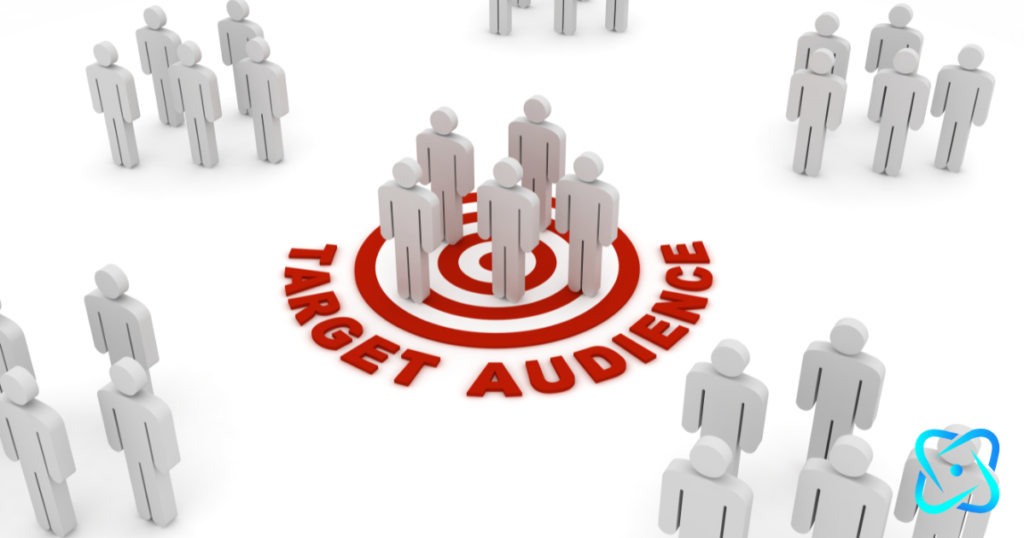
When it comes to crafting a successful marketing campaign, understanding your audience is crucial. By using detailed demographic data, you can effectively target specific age groups, genders, and locations. This approach not only helps in tailoring your message but also ensures that it resonates with the people most likely to be interested in your products or services. For instance, if you’re launching a new line of eco-friendly beauty products, you might focus on younger demographics in urban areas who are typically more environmentally conscious.
Explore Interest-Based Targeting
Interest-based targeting allows you to tap into the hobbies and passions of your potential customers. By identifying interests that align with your brand, you can incorporate these insights into your targeting strategy. This method is particularly effective for brands seeking to build a community around shared values or activities. For example, a fitness apparel company might target individuals who are interested in running, yoga, or gym workouts, thereby ensuring that their products appear in front of users already inclined towards an active lifestyle.
Leverage Behavioral Data
Behavioral data provides invaluable insights into the online habits of your audience, enabling you to target users based on their actions, such as purchase history or device usage. This type of targeting is incredibly powerful because it allows you to reach users at various stages of the buying cycle. For example, if data shows that a user frequently browses tech reviews and has a history of purchasing gadgets, a tech company can target them with ads for the latest devices. This approach not only enhances the relevance of your ads but also increases the likelihood of conversion.
Implementing Advanced Targeting Techniques
As we move into 2025, advertisers must adopt advanced targeting techniques to stay ahead. Consider the following approaches:
Dynamic Ads and Catalog Sales
Imagine having a sales assistant who remembers every detail about a customer’s preferences and suggests the perfect product every time they visit your store. That’s essentially what Facebook’s Dynamic Ads do for your online business. These ads automatically showcase products to users who have demonstrated interest on your website, ensuring that your advertising is as relevant and personalized as possible.
With Dynamic Ads, you can create a catalog of your products and let Facebook’s algorithm do the heavy lifting. It will match the right products to the right people at the right time, making your advertising not only efficient but also highly effective. This feature is particularly beneficial for e-commerce businesses looking to boost conversions and make the most of their online presence.
Geo-Targeting for Local Businesses

For brick-and-mortar businesses, reaching potential customers in the vicinity is crucial. This is where Facebook’s geo-targeting comes into play. By utilizing geo-targeting, businesses can hone in on specific locations, ensuring that their ads are seen by users who are most likely to visit their physical stores.
Whether you run a cozy café, a bustling retail shop, or any other local business, geo-targeting allows you to create campaigns that speak directly to your local audience. You can tailor your messaging to resonate with the community, promoting special offers or events that will drive foot traffic to your business.
Event-Based Targeting
Events are a fantastic way to engage with potential customers, and Facebook’s event-based targeting takes this a step further. This feature allows you to target users who have interacted with specific events or pages related to your industry. It’s a strategic way to reach audiences who have already shown interest in similar activities or businesses.
For instance, if you’re hosting a webinar or launching a product at a trade show, you can use event-based targeting to reach attendees or those who have engaged with similar events. This ensures your ads are hitting an audience that is not just passive, but actively interested in what you have to offer.
Analyzing and Optimizing Your Facebook Ad Performance
Effective targeting is only part of the equation. Regularly analyzing and optimizing your ad performance is crucial for success. In 2025, focus on:
Monitoring Key Metrics in Facebook Ad
In the world of digital advertising, numbers tell the story. Keeping an eye on key performance indicators (KPIs) such as Click-Through Rate (CTR), Cost Per Click (CPC), and conversion rates can help you understand how your ads are performing. Imagine your KPIs like a health check-up for your campaign—when these numbers are in tip-top shape, you know you’re on the right track. If your CTR is high, it means people are interested in your ad enough to click on it. A low CPC means you’re getting those clicks without breaking the bank. And, of course, a good conversion rate indicates that your clicks are turning into actual customers or leads.

Facebook Ad A/B Testing
Think of A/B testing as your campaign’s personal science experiment. By continuously testing different ad creatives, copy, and targeting strategies, you can identify what resonates best with your audience. Maybe one ad image grabs more attention than another, or perhaps a specific call-to-action drives more conversions. The magic of A/B testing lies in its ability to reveal these insights. So, don’t be afraid to mix things up and let the data guide your decisions. Remember, what worked yesterday might not work tomorrow, so keep experimenting!
Adjusting Budget Allocation
When it comes to budgeting, flexibility is key. Allocate more budget to the campaigns that are delivering the goods and don’t be afraid to pause or adjust those that aren’t pulling their weight. It’s all about maximizing your return on investment. If a particular ad set is driving phenomenal results, it deserves a bigger slice of the budget pie. Conversely, if something isn’t working, it’s better to reallocate those funds elsewhere. It’s like being a savvy shopper—spending wisely can lead to greater gains.
Conclusion
As we look forward to 2025, the landscape of Facebook advertising is set to become even more competitive. By leveraging advanced targeting strategies, utilizing Facebook ad robust tools, and continuously analyzing performance, businesses can maximize their advertising efforts. Implement these strategies today to position your brand for success in the coming year.
For more insights on digital marketing strategies and trends, stay tuned to our blog. Don’t forget to subscribe to our newsletter for the latest updates!