Step-by-Step Guide to Building an Effective Social Media Marketing Plan

In today’s digital age, social media is not merely a marketing tool; it is a necessity for any business aiming to thrive. With over 4.48 billion people using social media worldwide, it’s an expansive platform for reaching your target audience. However, diving into social media marketing without a well-structured plan can lead to wasted resources and missed opportunities. This guide will walk you through the steps of creating a robust social media marketing plan that aligns with your business goals and drives tangible results.
Understanding the Importance of a Social Media Marketing Plan
Before delving into the creation process, it’s crucial to understand why having a social media marketing plan is essential. A well-crafted plan helps you:
- Set clear goals and objectives
- Identify your target audience
- Allocate resources efficiently
- Measure and analyze results
With these benefits in mind, let’s explore how to build an effective social media marketing plan step-by-step.
Step 1: Define Your Goals and Objectives
The first step in any marketing strategy is to set clear, actionable goals. Your goals should be SMART: Specific, Measurable, Achievable, Relevant, and Time-bound. For instance, instead of saying “increase brand awareness,” aim for “increase brand awareness by 30% in six months through Facebook and Instagram.”
When it comes to crafting a winning marketing strategy, you’ve got to start somewhere, right? And that somewhere is defining your goals and objectives. But before you dive in, let’s make sure we’re on the same page about what makes a goal actually useful. Enter the SMART framework. It’s not just about being clever; it’s about being Specific, Measurable, Achievable, Relevant, and Time-bound. Let’s break it down.
Step 1: Be Specific

Think of your goal as a destination on a map. If you just type “somewhere nice” into your GPS, you might end up at the world’s largest ball of twine—cool, but not what you were aiming for. Instead, nail down exactly what you want. So, rather than vaguely hoping to “increase brand awareness,” get specific. How about saying, “increase brand awareness by 30%”? Now we’re getting somewhere.
Step 2: Make It Measurable
How will you know when you’ve hit your target? That’s where measurement comes in. If you can’t measure it, how can you manage it? Establish clear metrics, like tracking social media followers, website traffic, or engagement rates. Saying, “I want more followers” is great, but saying “I want 1,000 more Instagram followers in six months” means you can actually track your progress.
Step 3: Ensure It’s Achievable
While aiming for the moon is inspiring, make sure your goals are grounded in reality. If you’re a new brand, doubling your sales in a month might be a stretch. Instead, align your ambitions with your resources and capabilities. This way, you’re setting yourself up for success rather than disappointment.
Step 4: Keep It Relevant
Your objectives should align with your broader business goals and values. If your brand is all about sustainability, then your marketing goals should reflect that. Maybe focus on increasing engagement with eco-conscious consumers or promoting a new green product line. Make sure your goals resonate with your brand’s mission and audience.
Step 5: Time-Bound Everything

Deadlines are your friends. They create urgency and help keep everyone focused. By setting a timeframe—say, six months for our brand awareness increase—you give yourself a clear path with a ticking clock to keep you motivated.
Examples of Social Media Goals
- Increase website traffic by 20% in the next quarter
- Grow Instagram followers by 50% in three months
- Boost customer engagement rate by 25% through interactive content
Having clear goals will guide your content creation, platform selection, and overall strategy.
Step 2: Conduct a Social Media Audit
Before implementing new strategies, assess your current social media presence. Conducting a social media audit involves:
- Listing all your social media accounts
- Evaluating account performance (followers, engagement, reach)
- Identifying top-performing content and underperforming areas
Tools like Hootsuite and Sprout Social can help streamline this process.
Step 3: Know Your Audience

Understanding your audience is crucial for creating content that resonates with them. Develop detailed buyer personas that include:
- Demographic information (age, gender, location)
- Interests and hobbies
- Challenges and pain points
- Preferred social media platforms
Use analytics tools like Twitter Analytics and Facebook Insights to gather data on your existing audience.
Step 4: Choose the Right Platforms
Not all social media platforms are created equal. Select platforms that align with your business goals and where your target audience is most active. Here’s a quick overview of popular platforms:
- Facebook: Great for community building and advertising.
- Instagram: Ideal for visual content and younger audiences.
- LinkedIn: Focuses on B2B marketing and professional networking.
- Twitter: Excellent for real-time updates and customer service.
- Pinterest: Perfect for visual brands and e-commerce.
Step 5: Create Engaging Content

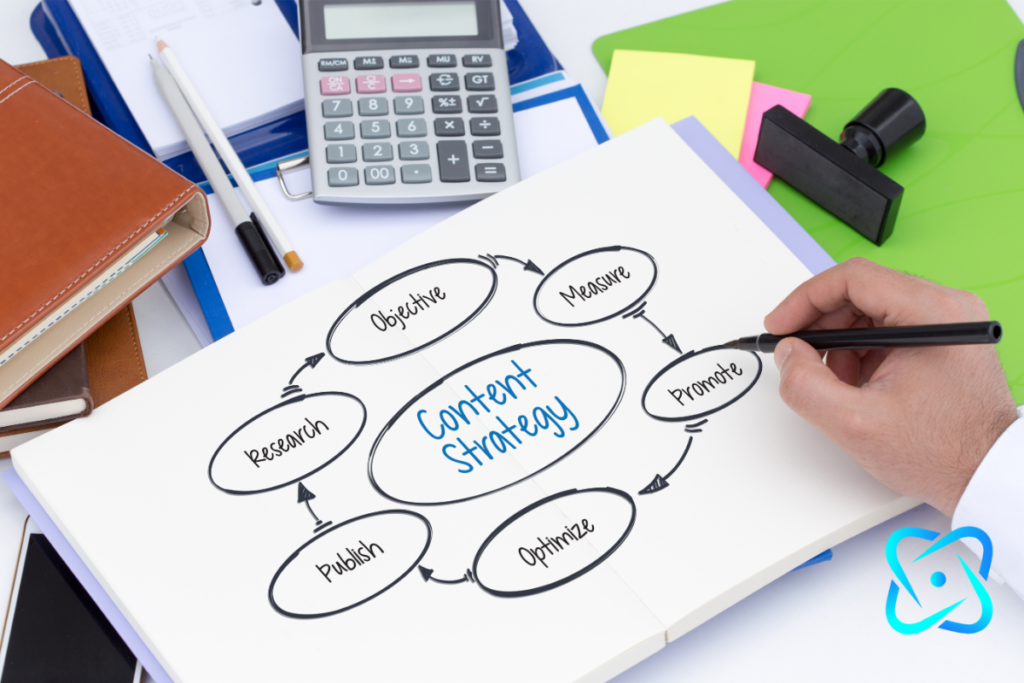
Content is at the heart of social media marketing. Develop a content strategy that includes:
- Content types: Videos, infographics, blog posts, images, etc.
- Posting schedule: Frequency and timing of posts for each platform.
- Content themes: Educational, entertaining, promotional, etc.
Leverage tools like Canva for designing eye-catching visuals and Buffer for scheduling posts.
Step 6: Engage with Your Audience
Social media is a two-way street. Engage with your audience by:
- Responding to comments and messages promptly
- Encouraging user-generated content
- Hosting live sessions and Q&A
- Running contests and giveaways
Encouraging interaction builds community loyalty and increases brand visibility.
Step 7: Monitor and Analyze Performance

Regularly monitor your social media performance to understand what’s working and what isn’t. Key metrics to track include:
- Engagement rate (likes, shares, comments)
- Reach and impressions
- Click-through rate (CTR)
- Conversion rate
Utilize tools like Google Analytics and platform-specific insights to gather data and refine your strategy accordingly.
Step 8: Adapt and Evolve
The social media landscape is ever-changing, so it’s essential to stay flexible and adapt your strategy. Stay informed about:
- Platform updates and new features
- Industry trends and audience preferences
- Competitor strategies
By evolving your approach, you can maintain relevance and keep your audience engaged.
Conclusion

Creating an effective social media marketing plan involves more than just posting content. It requires a strategic approach that aligns with your business goals and resonates with your audience. By following this step-by-step guide, you can build a robust social media marketing plan that drives engagement, builds brand loyalty, and ultimately contributes to your business success. Remember, the key to social media marketing is consistency, engagement, and continuous improvement. Start implementing these steps today and watch your social media presence thrive!