Analytics and Reporting: Measuring Success in Digital Marketing
In the ever-evolving landscape of digital marketing, understanding the effectiveness of your strategies is crucial. Analytics and reporting are the backbone of informed decision-making, allowing marketers to measure success, optimize campaigns, and drive growth. In this comprehensive guide, we’ll explore the importance of analytics and reporting in digital marketing and provide actionable insights to help you harness their full potential.
Why Analytics and Reporting Matter in Digital Marketing
Analytics and reporting are not just buzzwords in the digital marketing sphere. They are essential tools that enable marketers to track the performance of their campaigns, understand audience behavior, and optimize strategies for better results. According to a study by Gartner, marketers who utilize data-driven strategies are 20% more likely to see significant improvements in their marketing efforts.
Understanding Key Metrics
Before diving into the specifics of analytics tools and strategies, it’s essential to understand the key metrics that define success in digital marketing. Here are some vital metrics to keep an eye on:
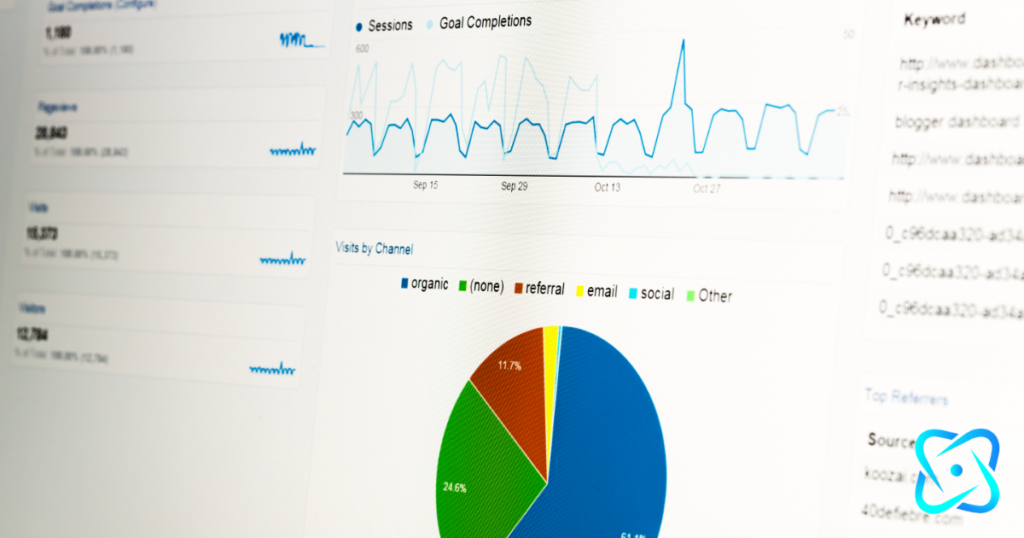
- Traffic Sources: Identify where your audience is coming from (organic, paid, social, etc.) to tailor your strategies accordingly.
- Conversion Rate: Measure the percentage of visitors who take a desired action, such as making a purchase or signing up for a newsletter.
- Customer Lifetime Value (CLV): Determine the total revenue you can expect from a customer over their lifetime.
- Return on Investment (ROI): Calculate the profitability of your marketing efforts to ensure they are financially sustainable.
Tools for Effective Analytics and Reporting
There are numerous tools available to help marketers analyze data and generate insightful reports. Here are some of the most popular ones:
Google Analytics
Google Analytics is a robust tool that offers an in-depth look at how users interact with your website. Whether you’re a seasoned marketer or just dipping your toes into the digital realm, Google Analytics is an indispensable resource that can elevate your marketing game to new heights.
What is Google Analytics?
At its core, Google Analytics is like having a backstage pass to your website’s performance. It provides you with all the juicy details about your website traffic, user behavior, and conversion rates. With this information, you can make informed decisions that drive engagement and boost your bottom line.
Why Every Digital Marketer Needs Google Analytics
Get to Know Your Audience: Google Analytics helps you understand who your audience is, where they come from, and what devices they use. This information is crucial for tailoring your content and marketing efforts to meet their needs.

Track Your Traffic: Curious about how users are finding your site? Google Analytics breaks down your traffic sources, showing you whether visitors are coming from search engines, social media, or direct visits. This insight helps you optimize your marketing channels for maximum reach.
Analyze User Behavior: Discover which pages are capturing attention and which ones are falling flat. By analyzing user behavior, you can refine your website’s design and content to enhance user experience and keep visitors coming back for more.
Measure Conversions: Whether it’s making a purchase, signing up for a newsletter, or downloading a resource, tracking conversions is key. Google Analytics allows you to set up goals and monitor how well your site converts visitors into customers.
Improve SEO Efforts: With Google Analytics, you can see which keywords are driving traffic to your site. Use this data to refine your SEO strategy and climb the search engine ranks.
Getting Started with Google Analytics
Setting up Google Analytics is a breeze. Simply create an account, add a tracking code to your website, and watch as the data starts pouring in. The platform’s intuitive dashboard makes it easy to navigate and extract valuable insights, even if you’re not a data whiz.
Tips for Maximizing Your Google Analytics Experience
Stay Updated: Google Analytics frequently updates its features. Stay informed to leverage new capabilities that can benefit your business.
Set Clear Goals: Define what success looks like for your website and configure Google Analytics to track these goals.
Regularly Review Reports: Schedule regular check-ins to review your data and adjust your strategies as needed.

Google Data Studio
Google Data Studio is a fantastic tool that transforms complex data into visually appealing reports and interactive dashboards. Whether you’re a marketer, analyst, or business owner, mastering this tool can significantly enhance your data presentation skills.
What is Google Data Studio?
Google Data Studio is a free tool that allows you to create customizable reports and interactive dashboards that are easy to share and understand. Unlike traditional spreadsheets that can be overwhelming, Data Studio makes data visually engaging, helping stakeholders quickly grasp key insights.
Integrate Data from Various Sources: One of the standout features of Google Data Studio is its ability to integrate data from multiple sources. Whether you’re dealing with Google Analytics, Google Ads, YouTube, or even third-party platforms like Facebook and Twitter, Data Studio brings all your data under one roof. This seamless integration means you can create comprehensive reports without the hassle of manually merging data.
Customize Reports to Your Needs: Customization is key when it comes to data reporting. Google Data Studio offers a wide array of templates and visualization options, from bar charts to geo maps. You can tailor each report to suit your specific needs, whether you’re focusing on sales performance, web traffic, or social media engagement. The drag-and-drop interface is user-friendly, making it easy for anyone, regardless of technical skill level, to build professional-looking reports.
Share and Collaborate with Ease: With Google Data Studio, sharing reports is as simple as sharing a Google Doc. You can collaborate in real-time with team members, ensuring everyone is on the same page. Additionally, these reports are dynamic, meaning they automatically update as new data comes in, ensuring you always have the most current insights at your fingertips.
Why Use Google Data Studio?
Collaborative: Easy to share and collaborate with team members.
Accessibility: It’s free and cloud-based, so you can access it from anywhere.
User-friendly: Intuitive design with a drag-and-drop interface.
Dynamic Updates: Automatic data updates keep reports current.

SEMrush
SEMrush stands out as one of the most versatile and comprehensive tools available for businesses and marketers looking to enhance their online presence. Let’s dive into how SEMrush can be your secret weapon for SEO, content marketing, and competitive analysis.
Why SEMrush is a Game-Changer for SEO
Track Keyword Rankings Like a Pro: Keywords are the backbone of any successful SEO strategy. SEMrush allows you to track keyword rankings with precision, providing you with insights into which keywords are performing well and which ones need a bit more attention. By monitoring these metrics, you can fine-tune your strategy to climb the search engine rankings effectively.
Analyze Backlinks for Better Authority: Backlinks are crucial for building authority and trust with search engines. SEMrush offers a robust backlink analysis tool that helps you understand your backlink profile, identifying which links are beneficial and which ones might be detrimental. This insight allows you to develop a strategy to acquire high-quality backlinks and improve your site’s authority.
Monitor Competitors’ Strategies with Ease: Understanding what your competitors are doing can give you a significant edge. SEMrush provides tools to monitor your competitors’ SEO and content marketing strategies, revealing the keywords they are ranking for, their backlink sources, and even their advertising tactics. This information is invaluable for crafting a competitive strategy that puts you ahead in the market.
Elevate Your Content Marketing with SEMrush
Content Ideas and Optimization: Content is king, but not all content is created equal. SEMrush’s content marketing toolkit helps you generate fresh content ideas and optimize your existing content for better engagement and reach. By analyzing trends and high-performing content, SEMrush ensures your content strategy is always aligned with what your audience wants.
SEO Writing Assistant: Creating SEO-friendly content can be challenging, but SEMrush’s SEO Writing Assistant makes it easier. By providing real-time suggestions on readability, tone, and SEO best practices, this tool ensures you create content that resonates with both your audience and search engines.
Stay Ahead with SEMrush’s Competitive Analysis
Market Explorer: Understanding the market is crucial for any business. SEMrush’s Market Explorer tool gives you a panoramic view of your industry, helping you identify market leaders, analyze audience demographics, and discover emerging trends. Armed with this knowledge, you can make informed decisions that support your business goals.
Traffic Analytics: Getting a detailed view of your competitors’ traffic helps you understand what works in your industry. SEMrush’s Traffic Analytics tool provides insights into your competitors’ top traffic sources and audience behavior, allowing you to replicate successful strategies and avoid potential pitfalls.

Implementing an Analytics Strategy
To maximize the benefits of analytics and reporting, it’s important to implement a strategic approach. Here’s how to get started:
Set Clear Goals
Before analyzing any data, establish clear goals for your digital marketing efforts. Whether it’s increasing website traffic, boosting sales, or enhancing brand awareness, having defined objectives will guide your analytics strategy.
Track the Right KPIs
Focus on tracking the Key Performance Indicators (KPIs) that align with your goals. For instance, if your goal is to increase conversions, monitor metrics like conversion rate and cost per conversion.
Regularly Monitor and Adjust
Analytics is not a one-time activity. Regularly monitor your data, analyze trends, and adjust your strategies accordingly. This iterative process will help you stay ahead of the competition and improve your marketing outcomes.
Actionable Tips for Better Analytics and Reporting
To make the most of your analytics and reporting efforts, consider these actionable tips:
Utilize Segmentation
Segment your audience based on demographics, behavior, or purchase history to gain a deeper understanding of their preferences and tailor your strategies accordingly.
Leverage A/B Testing
Conduct A/B tests to compare different versions of your marketing assets and determine which one performs better. This data-driven approach can significantly enhance your campaign effectiveness.

Automate Reports
Use automation tools to generate reports regularly. This will save time and ensure that you have up-to-date insights at your fingertips.
Conclusion: Elevating Your Digital Marketing Through Analytics
In conclusion, analytics and reporting are indispensable components of any successful digital marketing strategy. By understanding key metrics, utilizing the right tools, and implementing a strategic approach, you can unlock valuable insights that drive growth and improve ROI. Stay proactive, embrace data-driven decision-making, and watch your marketing efforts soar to new heights.
Remember, in the world of digital marketing, knowledge is power. Use analytics to gain that power and transform your campaigns into success stories.